
A saffron thread can look small in your palm, yet it can define an entire pot of rice, a golden cake, or a cup of tea. When shoppers compare super negin vs sargol saffron, they are usually asking a practical question: which one delivers the purest flavor, deepest color, and most rewarding experience in the kitchen?
Both are respected saffron styles made from the red stigmas of the Crocus sativus flower. Both can produce extraordinary results when they are fresh, properly handled, and honestly sourced. The difference is largely in the appearance and selection of the threads, but that appearance can signal how carefully a batch was harvested, sorted, and protected.
For buyers who want long, vivid red threads with an exceptional presentation, Super Negin is often the preferred choice. For everyday cooking, Sargol can also be an excellent option when its purity, aroma, and origin are clear. The best decision comes down to what you value most: thread length, visual elegance, potency, budget, and the dish you plan to make.
Super Negin is known for its long, thick, all-red saffron threads. The threads are carefully selected to remove yellow or orange style material, then naturally dried to preserve their aroma and color. A well-prepared Super Negin batch has a clean crimson appearance, substantial thread length, and a dry, slightly flexible feel – never damp, dusty, or brittle from poor storage.
Its appeal is not just visual. Long, intact red stigmas are a sign of careful handling from field to kitchen. Saffron harvesting is painstaking work. Each flower is picked by hand, and the delicate stigmas must be separated and dried with precision. Producing a refined Super Negin grade requires additional sorting, which is why it is commonly positioned as a premium saffron choice.
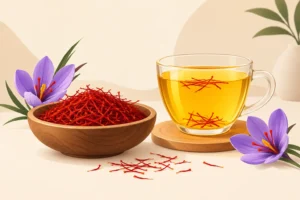
In a dish, quality Super Negin brings a warm, honeyed aroma with floral and hay-like notes, followed by saffron’s distinctive bittersweet finish. Its color should bloom gradually into a rich golden yellow, not release an instant artificial red. That patient infusion is one of the quiet signs of authentic saffron.
Herat, Afghanistan, is celebrated for saffron with powerful aroma and color strength. When Super Negin is sourced directly from skilled farming communities in this region, the result is more than a beautiful spice jar. It is the Gold of Afghanistan, handpicked and prepared for serious cooking.
Sargol saffron also consists of the red stigma portion of the flower. The name is often used for saffron that has had the yellow style removed, leaving red threads suitable for culinary use. Compared with Super Negin, Sargol threads are often shorter, finer, or more varied in length. They may include more separated thread pieces rather than the especially long, uniform presentation associated with Super Negin.
That does not make Sargol inferior in every circumstance. Saffron grading terms are not regulated identically by every seller or producing region. One producer’s Sargol may be fresher and more aromatic than another seller’s so-called premium grade. For that reason, grade names should be the beginning of your evaluation, not the end of it.
The most useful distinction is this: Super Negin is selected for a more uniform, long-thread, premium appearance, while Sargol is a red-stigma grade that may be less uniform in thread size and presentation. If both batches are pure, fresh, and carefully processed, both can flavor food beautifully.
The trade-off is usually value versus presentation. Sargol may suit cooks who use saffron frequently in broths, rice, sauces, baking, and tea and care less about displaying whole threads. Super Negin is ideal for cooks and gift buyers who want a refined all-red thread, reliable quality standards, and a striking finish in dishes where saffron is visible.
Many buyers assume the darkest-looking threads will always create the strongest color. Appearance matters, but it is only one part of the story. Genuine saffron contains natural compounds that contribute color, aroma, and flavor. How the saffron was grown, harvested, dried, packed, and stored affects all of them.
A trustworthy batch should have a naturally rich aroma – earthy, floral, warm, and slightly sweet. It should not smell sugary, chemical, or flat. Threads should be predominantly red, dry to the touch, and free from excessive yellow fragments, foreign material, or powder. Powdered saffron is harder to inspect, which is one reason whole threads offer more confidence to many buyers.
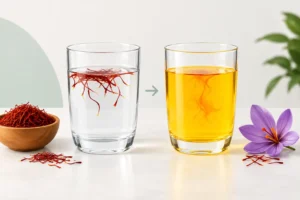
Authentic threads also color water slowly. Crush a small pinch, steep it in warm water, and allow time for the golden color and aroma to develop. Do not judge saffron by a quick cold-water test alone. A meaningful kitchen test is the fragrance and flavor it brings to food after blooming.
A long Super Negin thread cannot make up for stale storage. Likewise, a carefully sourced Sargol lot may outperform a poorly stored batch with a more impressive label. Saffron is sensitive to light, humidity, heat, and air. Once its aroma fades, its character in food fades with it.
Keep saffron in a tightly sealed container in a cool, dark cabinet, away from steam, direct sunlight, and strong-smelling spices. Do not store it above the stove. Buy an amount you can enjoy while it is at its most aromatic, or choose packaging that keeps the rest protected after opening.
Choose Super Negin when you want saffron that looks as premium as it tastes. Its longer, more uniform crimson threads make it especially fitting for celebratory rice, paella, Persian-style dishes, saffron ice cream, custards, cakes, and gifts. It also gives home cooks reassurance: the visible, all-red threads make it easier to assess what they are buying.
Choose Sargol when you have found a pure, aromatic source and want a practical red-thread saffron for regular use. It can be a sensible choice for recipes where the threads will be ground or steeped before cooking. In those dishes, careful blooming and correct measurement matter more than whether every thread is long and uniform.
Commercial kitchens should consider both the desired presentation and purchasing consistency. A bakery or beverage producer using saffron in a blended application may prioritize dependable potency, lot consistency, and bulk availability. A fine-dining restaurant finishing a visible saffron dish may value the visual distinction of Super Negin. There is no single right answer – only the grade that fits the application and the quality standard behind it.
The most common saffron mistake is adding dry threads directly to a large dish and expecting the full flavor to appear. Instead, gently crush the threads with a mortar and pestle or between clean fingers. Add a small amount of warm water and let them bloom for 15 to 20 minutes. The water should become a luminous gold and carry a deep, inviting fragrance.
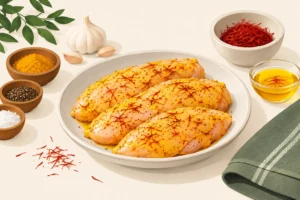
Add this infusion later in the cooking process, when possible, so delicate aromatic compounds are not cooked away. A little goes far. For many home recipes, a generous pinch is enough. Using more saffron than necessary can make a dish taste medicinal or overly bitter rather than luxurious.
Farmers Saffron selects Grade A+ Super Negin threads from Herat, working directly with Afghan farmers to bring pure, naturally processed saffron from field to kitchen. The goal is simple: vivid red threads, exceptional aroma, and the confidence that comes from clear origin and careful sourcing.
When choosing between Super Negin and Sargol, let the thread tell part of the story, but let aroma, purity, freshness, and provenance tell the rest. A small jar of authentic Afghan saffron can turn an ordinary meal into something people remember long after the last golden spoonful.