

A small pinch of exceptional saffron can perfume an entire pot of rice, a golden custard, or a cup of tea. That power comes from delicate natural compounds inside each crimson thread. Knowing how to store saffron threads protects the vivid color, honeyed-floral aroma, and deep flavor that make Afghan saffron from Herat so prized.
Saffron is dry, but it is not indestructible. Light slowly weakens its color. Heat encourages its aromatic oils to fade. Humidity is the greatest threat of all, because it can dull the threads and introduce unwanted moisture. The good news is that proper storage is simple: keep your saffron sealed, cool, dark, and dry.
Store saffron in a small airtight container in a cool, dark cabinet or pantry. A tinted glass jar, a metal tin with a snug lid, or the original well-sealed container are all good choices. The container should be clean, completely dry, and sized close to the amount of saffron you have. Less empty air inside means less exposure each time you open it.
Choose a place away from the stove, oven, dishwasher, kettle, and sunny windows. A high shelf near a range may look convenient, but repeated heat and steam are not kind to premium threads. A closed pantry or kitchen cabinet located away from cooking heat is usually ideal.
Keep the threads whole until you are ready to use them. Grinding saffron before storage increases its exposed surface area, allowing its aroma and color compounds to fade more quickly. Crush only the pinch you need for the dish in front of you, then return the remaining threads to their container right away.
The same qualities that make saffron precious in the kitchen make it sensitive in storage. Its scent is subtle and layered, not loud or harsh. Its color is naturally powerful, yet can weaken if it sits in the wrong environment for too long.
Direct sunlight is never a good home for saffron. Clear jars displayed on an open counter may be beautiful, but they leave the threads exposed day after day. If you prefer a clear glass container, place it inside a dark cabinet, drawer, or opaque tin.
Saffron does best at a stable, cool room temperature. It does not need a cold refrigerator when your kitchen is reasonably cool and dry. What it needs is consistency. Avoid cabinets above the oven, shelves beside a radiator, or any spot that becomes hot during daily cooking.
Never use a damp spoon or wet fingers to handle saffron. Even a little moisture can cause threads to soften, clump, or lose their clean texture. Close the container promptly after measuring. This is especially important in humid climates, where leaving the lid off for several minutes can expose saffron to moisture in the air.
Saffron has a refined fragrance and should not be stored beside coffee, garlic powder, smoked spices, or heavily scented teas. An airtight container provides the best defense. For the same reason, do not keep loose saffron in a drawer filled with open spice packets.
For most home cooks, refrigeration is not necessary and can create problems. Each time a cold container is opened in a warm kitchen, condensation may form. That moisture is more damaging than a stable, cool pantry.
Freezing can make sense for a large quantity you will not use for a long time, such as a bulk purchase for a bakery, restaurant, or frequent catering program. The threads must be sealed exceptionally well in an airtight, moisture-proof container. Divide the saffron into smaller portions first, so you do not repeatedly open and close the main supply.
When you are ready to use a frozen portion, let the unopened container reach room temperature before opening it. This small step prevents condensation from settling on the threads. For consumer-size jars, a dark pantry remains the easier and more reliable choice.
High-quality whole threads can retain excellent flavor and color for two to three years when stored properly. They are often still usable beyond that point, but their aroma and coloring strength gradually become less expressive. Freshness is not only about a date on a label. It is about how the saffron has been handled from harvest to kitchen.
Super Negin Grade A+ threads are valued for their length, deep red color, and aromatic intensity. Storing them well helps you experience those qualities as intended. With genuine, naturally processed saffron, you should need only a small amount to bring warmth and luminous color to a dish.
If your saffron smells faint, dusty, or strangely stale, it may have been exposed to heat, light, or air for too long. If threads look pale, excessively broken, or feel soft from moisture, it is time to assess the container and storage location. A rich red appearance and a distinct sweet, hay-like floral aroma are signs that your saffron has been well cared for.
Treat saffron as the finishing treasure of your spice cabinet, not as a jar to leave open while you cook. Take out the amount you need, seal the rest, and return it to its dark storage spot before blooming your threads.
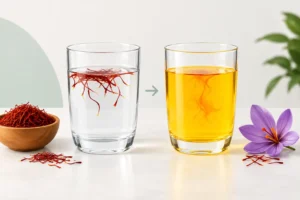
For many recipes, gently crush a pinch with a mortar and pestle or between clean, dry fingers. Then bloom it in warm water, milk, or broth, depending on the dish. Blooming does not replace good storage, but it ensures the threads you have protected release their fullest color and fragrance at the right moment.
Avoid crushing a large batch for convenience. Pre-ground saffron is more vulnerable to oxidation and easier to confuse with adulterated powders. Whole threads offer greater confidence in purity as well as better long-term storage.
A gift box or unopened multi-pack should still be kept away from heat and sunlight. There is no need to open every package at once. Leave sealed packs intact until you are ready to use or share them. This gives each portion the best possible protection.
For serious saffron users, portioning is practical. If you purchase several grams, place small amounts in separate airtight containers rather than handling the full supply every week. A home cook might keep one small jar in the pantry and reserve the rest in a dark, dry cupboard. A food business can apply the same principle with clearly labeled, tightly sealed portions for service and back stock.
Write the purchase or opening date on the container. This is particularly useful when you keep more than one saffron size on hand. Use the oldest opened portion first, while leaving unopened threads protected for later occasions.
Farmers Saffron begins with handpicked Afghan saffron from Herat, where cultivation knowledge has been carried through generations. Proper storage carries that care into your own kitchen. From field to table, every detail helps preserve the character of this remarkable spice.
A food-safe plastic container can work for short-term storage if it seals tightly and is kept in a dark cabinet. Glass and metal are generally better choices for long-term storage because they provide stronger protection from odors and are less likely to retain scents from other foods.
Yes, provided the package is tightly sealed and stored in a cool, dark, dry place. Once opened, make sure it closes securely. If it does not, transfer the threads to a small airtight jar or tin.
Threads can deepen slightly in appearance as they settle, but dramatic fading, softness, or a loss of aroma suggests poor storage or age. Quality saffron should remain richly colored and fragrant when protected from light, heat, and moisture.
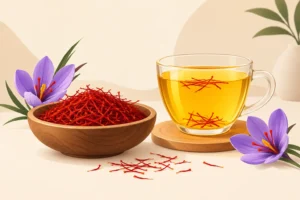
A well-stored jar of saffron is ready when inspiration strikes: a fragrant rice dish for guests, a golden dessert for a celebration, or a quiet cup of saffron tea. Keep it dark, dry, and tightly sealed, and each pinch will continue to bring a little of Herat’s culinary treasure to your table.