

A small tin of saffron holds an extraordinary amount of color, aroma, and flavor. That is why how long does saffron last is not simply a question of expiration dates. It is a question of protecting the handpicked red threads that traveled from the fields of Herat to your kitchen.
Pure saffron threads can retain excellent quality for two to three years when stored properly. They may remain usable for longer, often up to four years, but their signature honeyed aroma, deep crimson color, and flavor strength gradually fade. The difference comes down to freshness at purchase, thread quality, and storage.
Whole saffron threads are naturally more stable than ground saffron. Their structure helps shield the delicate aromatic compounds and pigments held within each thread. A sealed jar of premium, dry threads kept in a cool, dark cabinet will usually perform beautifully for two to three years after purchase.
Saffron does not usually spoil like fresh food. Instead, it loses potency. Older threads may still tint a dish, but you may need more of them to achieve the same golden color and fragrant complexity. For a premium ingredient, that is a meaningful loss.
Ground saffron has a much shorter peak window. Once threads are crushed, far more surface area is exposed to oxygen, humidity, and light. Use ground saffron within about six months for the best results. If possible, buy whole threads and grind only the small amount your recipe requires.
The shelf life also depends on what you bought in the first place. Fresh, pure Super Negin threads with vivid red color and a strong natural aroma begin with a greater reserve of flavor and color than old, brittle, weakly scented saffron. Proper storage preserves quality. It cannot restore potency that was absent at the start.
Saffron is precious because its color, aroma, and flavor are delicate. Four common kitchen conditions work against it: light, heat, air, and moisture.
Light slowly weakens saffron’s natural color compounds. A clear spice jar on an open shelf may look attractive, but it leaves threads exposed every time daylight reaches the kitchen. Heat has a similar effect, especially in cabinets above the stove, beside the oven, or near a sunny window.
Air matters because repeated exposure allows aromatic compounds to dissipate. Opening a large container several times a week is more damaging than opening a small, well-sealed portion only when needed. Moisture is the greatest concern. Saffron must remain dry. Humidity can dull the threads, cause them to clump, and in severe cases create conditions for mold.
A warm kitchen is not automatically a problem, but placement matters. A stable, shaded cabinet away from cooking heat is far better than a shelf near steam and sunlight.
Store saffron in a small airtight container made of tin, dark glass, or another opaque material. Keep the container in a cool, dry, dark pantry or cabinet. This simple method protects the threads without making storage complicated.
If saffron arrives in a sealed inner package, keep it sealed until you are ready to use it. Once opened, transfer any remaining threads to an airtight container if the original packaging cannot be tightly resealed. Choose a container close to the amount of saffron inside. Less empty space means less trapped air around the threads.
For larger purchases, divide the saffron into several small airtight portions rather than repeatedly opening one bulk container. Use one portion for everyday cooking and leave the others unopened in a dark cabinet. This is especially useful for restaurants, bakeries, caterers, and serious home cooks who rely on consistent color and aroma across many dishes.
Avoid storing saffron in the refrigerator unless your home is exceptionally hot and you can protect it completely from condensation. Refrigerators are humid environments, and moving a cold container into room air can introduce moisture when it is opened. Freezing is also unnecessary for most households and can create the same condensation risk. A cool pantry is the better choice.
Begin with the aroma. Fresh, high-quality saffron has a distinctive scent that is floral, warm, slightly sweet, and hay-like. It should smell rich rather than dusty, flat, or musty. A fragrance that has nearly disappeared is the clearest sign that the threads have lost much of their character.
Then look at the threads. Quality saffron should remain predominantly red, with naturally shaped strands rather than a pile of powder or broken fragments. Some variation in thread shape is normal because saffron is a handpicked agricultural product. What is not normal is visible moisture, clumping, fuzzy growth, or an off odor. Discard saffron with any sign of mold or contamination.
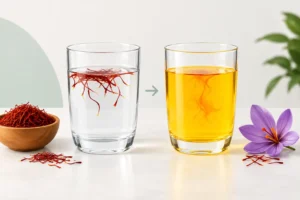
A simple kitchen test can confirm its strength. Crush a few threads gently between your fingers or with a mortar and pestle, then steep them in warm water for 15 to 20 minutes. Good saffron gradually releases a clear golden-yellow color and an unmistakable aroma. It should not instantly bleed a harsh red dye. Slow, luminous color is one mark of authentic saffron.
Do not judge saffron by color alone. Threads can look red yet be old, poorly stored, or low in aroma. The best evaluation uses sight, scent, and the way the saffron blooms in warm liquid.
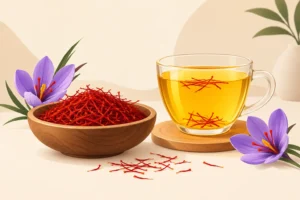
If your saffron is past its peak but still dry, clean, and pleasantly aromatic, it can remain useful. Use it in dishes where it has time to bloom and spread through liquid, such as rice, soups, stews, custards, tea, or syrup. Crush and steep it before adding it to the recipe. This draws out more color and flavor than dropping dry threads directly into the pan.
You may need a few additional threads if the saffron is older, but add them with restraint. More saffron is not always better. A large amount can bring an overly medicinal or bitter edge, particularly when the threads are not properly bloomed.
For a dish where saffron is the main note, such as saffron rice, a delicate cream sauce, or a celebratory dessert, use your freshest threads. This is where the difference between merely usable saffron and exceptional saffron becomes clear.
Buying a larger quantity can be practical, but only if it suits how often you cook. A 0.5g or 1g package is ideal for many home kitchens because it can be enjoyed while the saffron is at its aromatic best. Frequent saffron cooks, gift buyers, and households that prepare Afghan, Persian, Indian, Mediterranean, or Middle Eastern dishes regularly may prefer a larger size.
For commercial kitchens and food businesses, bulk saffron makes sense when it is portioned carefully and rotated by purchase date. Label each container with the date opened. Use older stock first, while keeping unopened portions protected from light and humidity.
Farmers Saffron is sourced directly from Herat, where saffron farming knowledge is passed through generations. These vivid, handpicked threads deserve the same care in your pantry that they received from harvest through natural processing.
Keep saffron dry, dark, cool, and tightly sealed. Then, when a recipe calls for its golden color and exceptional aroma, your threads will be ready to turn an ordinary meal into something memorable.