A few crimson threads can change an entire dish. When they are long, deeply red, dry to the touch, and fragrant with honeyed hay and warm florals, they do more than color food. They bring character. Super Negin saffron is prized for exactly this reason: it offers the concentrated aroma, vivid color, and refined flavor that make saffron worth using with care.
For cooks who have encountered pale powder, broken threads, or saffron with little scent, the difference is immediate. True high-grade saffron does not need to shout. A small pinch, properly bloomed, brings golden depth to rice, tea, desserts, broths, and celebratory dishes.
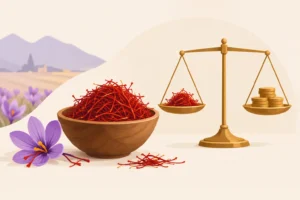
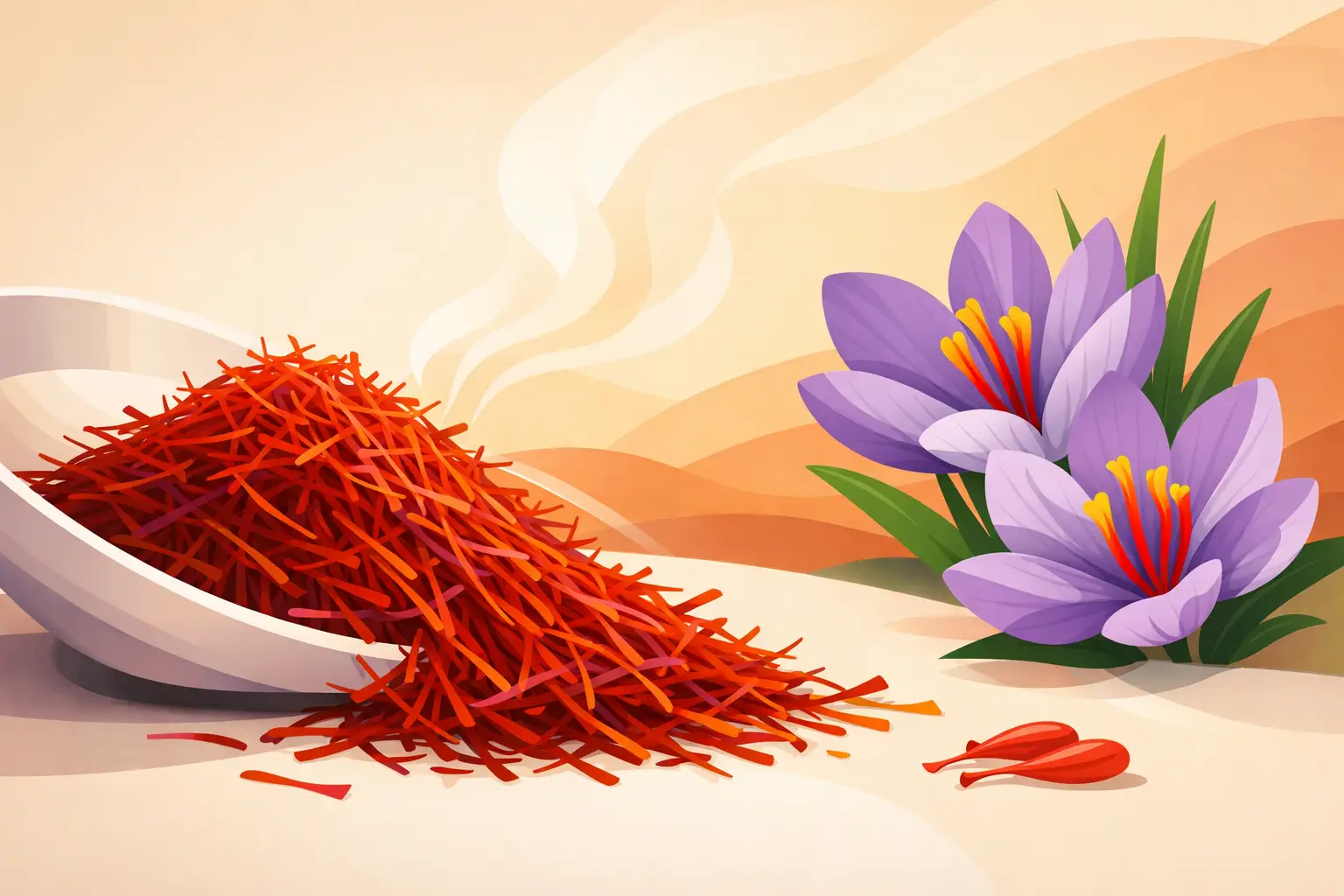
Saffron comes from the delicate red stigmas of the Crocus sativus flower. Each flower produces only three of these threads, and they must be harvested by hand during a brief seasonal window. That labor is part of saffron’s value. Quality is determined by much more than the name on the package, however.
Super Negin is a premium style of saffron thread. It is recognized by its long, thick, mostly all-red stigmas, with minimal yellow or orange style attached. The threads are carefully selected for appearance, color strength, aroma, and cleanliness. Grade A+ Super Negin is made for buyers who want a high concentration of the qualities saffron is known for, without excess floral waste or crushed material.
The word “Super” should not be treated as a substitute for verification. Saffron grading is not identical across every seller or country. The most dependable way to judge a purchase is to look at the threads themselves, ask about origin and handling, and notice how the saffron performs in the kitchen. Long red threads, a naturally dry texture, a distinctive aroma, and strong golden infusion are meaningful signs.
Herat, in western Afghanistan, is one of the world’s respected saffron-growing regions. Its climate, soil, and generations of cultivation experience create favorable conditions for intensely aromatic saffron. Harvest season is a precise, hands-on process. Flowers are picked early, the red stigmas are separated with care, and the threads are naturally dried to preserve their essential character.
That field-to-kitchen journey matters. Saffron is a high-value ingredient, and unclear sourcing can create room for diluted, old, or mislabeled products. Single-origin Herat saffron gives the buyer a clearer connection to where the threads were grown and how they reached the pantry.
At Farmers Saffron, this connection begins with direct relationships with Afghan farming communities. Removing unnecessary middlemen helps protect traceability while honoring the work behind every harvest. The result is saffron chosen for purity, handpicked quality, rich aroma, and color that earns its place in a special meal.
The best way to understand saffron is with your senses. Super Negin threads should be predominantly crimson red, often with gently flared tips. They should not look like a pile of yellow fibers, powder, or uniformly cut fragments. A few natural variations are normal because saffron is an agricultural product, not a manufactured dye.
Its aroma is equally revealing. Fresh saffron has a complex fragrance that can suggest warm hay, honey, dry grass, and soft florals. It should smell vivid but natural. A harshly sweet, chemical, or perfume-like scent is a reason to pause.
In food, saffron’s flavor is subtle and unmistakable. It is earthy, slightly sweet, floral, and gently bitter in a pleasant way. Its color develops into a glowing golden yellow rather than an unnatural red. More saffron is not always better. Using too much can make the bitter edge more prominent, while the right amount gives a dish depth and elegance.
Saffron needs a little preparation to give its best. Adding whole threads directly to a dish can work, especially in long-cooking recipes, but blooming releases color and aroma more evenly.
Start with a small pinch of threads. For many recipes serving four to six people, 10 to 20 threads are enough, though the exact amount depends on the dish and the freshness of the saffron. Gently crush the threads between your fingers or with a mortar and pestle. Do not grind them into a fine dust unless the recipe calls for it.
Add the crushed saffron to a few tablespoons of warm water, warm milk, or ice cubes left to melt. Let it rest for 15 to 20 minutes. The liquid should become deeply golden. Add this infusion, threads and all, near the end of cooking or at the moment your recipe specifies.
Warm water is the practical everyday method. Ice blooming takes longer but is popular for drawing color gradually. Milk is especially useful in custards, puddings, and baking. Each method works well. Choose based on the recipe, not on a promise that one technique is always superior.
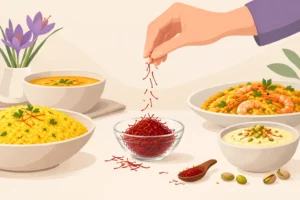
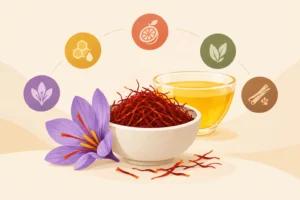
This is an ingredient for both tradition and imagination. In rice dishes, bloomed saffron can be spooned over part of the cooked rice to create a fragrant golden layer. In tea, a few threads offer color and a gentle floral note. In baking, saffron pairs beautifully with cardamom, vanilla, citrus, pistachio, almond, and honey.
Try it in a creamy risotto, a seafood broth, saffron chicken, rice pudding, shortbread, or a simple warm tea. It can also bring distinction to a weekend breakfast: steep a few threads in warm milk before adding the milk to pancakes, French toast custard, or a sweet yeast dough.
Because Super Negin saffron is potent, it is not the right place to measure by habit alone. A large restaurant batch may need more threads than a home recipe, but it does not need indiscriminate handfuls. Start modestly, taste, and adjust next time. This approach protects both the dish and the ingredient.
Light, heat, moisture, and air are saffron’s enemies. Store threads in a tightly sealed container in a cool, dark cabinet, away from the stove and direct sunlight. Avoid the refrigerator unless your kitchen is consistently very hot and humid, since condensation can introduce moisture when the container is opened.
Keep saffron as threads until you are ready to use it. Whole threads hold their aroma better than pre-ground saffron and make visual quality checks easier. When stored well, quality saffron can retain its character for a long time, though its aroma and strength are most impressive when enjoyed while fresh.
Packaging size should match how you cook. A 0.5g or 1g jar suits occasional use and thoughtful gifting. Larger sizes make sense for enthusiastic home cooks, frequent entertainers, bakeries, caterers, and food businesses that require dependable supply. Buying more is only a value when it can be stored carefully and used within a reasonable period.
Super Negin saffron is not simply a luxury spice because it is rare. It is valuable because every step demands attention: the field, the flower, the hand harvest, the separation, the drying, and the selection of threads fit for the table. Authentic Herat saffron carries that care in its color and aroma.
The next time you cook a dish meant to gather people around the table, bloom a small pinch slowly. Watch the water turn gold. Let the fragrance rise before the first bite. That is where saffron’s real value begins.
We proudly deliver authentic, high-quality Afghan saffron directly from the farms of Herat to customers around the world. Our mission is to offer pure, unadulterated saffron — without middlemen — ensuring you enjoy the true aroma, color, and taste of premium saffron with complete confidence.