

A few crimson threads can change an entire dish. Premium Afghan saffron brings a warm honeyed aroma, deep golden color, and a delicate earthy sweetness that ordinary saffron often cannot deliver. It is not simply a spice to add for color. It is the finishing note in fragrant rice, creamy desserts, celebratory drinks, and recipes made to be remembered.
For cooks who care about what enters the pantry, origin matters. So does grade, thread quality, freshness, and the care taken between harvest and packing. Afghan saffron from Herat carries a heritage shaped by skilled farming families and a climate especially suited to the crocus flower. From field to kitchen, every detail affects the cup, the pot, and the plate.
Herat, in western Afghanistan, is known for producing saffron with exceptional color strength and aroma. The region’s dry conditions, cool winters, and warm growing season support the delicate Crocus sativus flower. Each flower produces only three red stigmas. Those stigmas are the saffron threads used in cooking.
Harvest is brief and demanding. Flowers must be picked by hand, often early in the day, before they open fully under the sun. The red stigmas are then carefully separated from the flower by hand and naturally dried. There is no shortcut that improves this work. The finest saffron depends on patience at every stage.
That human care is part of what gives Afghan saffron its value. A jar may be small, but it represents thousands of flowers and the practiced hands of farmers who know when a thread is ready.
Premium quality is visible before it ever reaches hot water. Look for long, predominantly red threads with a full, slightly flared trumpet shape at the tip. The threads should appear dry and intact, not crushed into dust or mixed with yellow styles. Their aroma should be distinct: floral, warm, lightly sweet, and earthy. It should never smell flat, musty, or artificially perfumed.
Super Negin Grade A+ is prized because it contains select red stigmas with minimal yellow material and a generous thread length. This presentation is not only beautiful. It signals careful sorting and creates a more consistent cooking experience. When the threads bloom, they release a rich golden-red infusion and a fragrance that carries through the dish.
Still, grade names alone should not make the decision for you. Saffron grading can be used inconsistently across the market. Origin transparency, whole-thread appearance, aroma, and a direct relationship with growers offer stronger reasons to trust what you are buying. A label that says “premium” means little without those details behind it.
Saffron is one of the world’s most valuable spices, which makes it vulnerable to dilution and imitation. Low-quality products may contain excessive yellow styles, broken material, dyed fibers, or other plant matter sold as saffron. Ground saffron can be convenient, but it is harder for a buyer to assess visually and easier to adulterate.
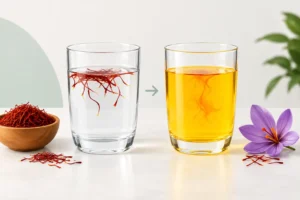
Whole threads give you more control. You can see their natural red color, smell their aroma, and watch them slowly release color in water. Genuine saffron does not instantly turn water bright red like food dye. It blooms gradually, producing a luminous gold to orange-red infusion while the threads retain much of their color and form.
At Farmers Saffron, direct sourcing from Afghan farmers helps preserve that accountability. Fewer middlemen means a clearer path from Herat’s fields to your table, with quality protected along the way.
People often judge saffron by color alone. Color matters, but it is only one part of the experience. The best threads offer three qualities at once: vivid coloring power, a complex fragrance, and balanced flavor.
The flavor of saffron is subtle rather than loud. Used well, it brings floral notes, gentle bitterness, hay-like warmth, and a lingering sweetness. Used carelessly, it can taste medicinal or overwhelm delicate ingredients. More saffron is not always better. A small amount, prepared correctly, is usually enough to transform a recipe.
This is why high-potency threads are often a better value than a larger amount of weak saffron. With premium threads, a pinch goes further. You use less, waste less, and get clearer flavor in every batch of rice, custard, broth, or tea.
Do not drop dry threads straight into a large pot and expect their best. Blooming saffron first coaxes out its color and aroma, helping it distribute evenly through food.
For most home recipes, gently crush a generous pinch of threads between your fingers or with a mortar and pestle. Add them to 2 to 3 tablespoons of warm water, milk, broth, or melted ice, then let them rest for 15 to 20 minutes. The liquid should be warm, not boiling. Very high heat can flatten saffron’s delicate aroma.
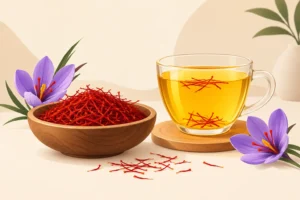
Add the infusion and the threads to your recipe near the point where they can perfume the entire dish. For rice, stir the bloom into a portion of cooked rice and layer it over the top before steaming. For desserts, add it to warm milk or cream. For tea, let the threads steep gently and enjoy the clear golden cup.
The right amount depends on the dish and the strength of the saffron. For a family-sized pot of rice, 10 to 20 threads may be enough. A saffron-forward dessert or drink may call for more. Start modestly. You can always build intensity in the next recipe, but you cannot pull bitterness back out of an over-seasoned dish.
Afghan saffron has a natural place in Persian, Afghan, Indian, Middle Eastern, Mediterranean, and European cooking, yet it is not limited to traditional recipes. Its warmth pairs beautifully with everyday ingredients.
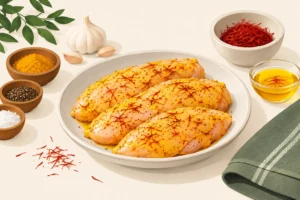
Use it in basmati rice with cardamom and dried fruit, steep it in milk for rice pudding, or add a bloom to a chicken broth with lemon. It gives seafood a refined, aromatic lift and turns a simple panna cotta into something special. A few threads in hot water with honey make a comforting saffron tea. For entertaining, saffron-infused ice cream, shortbread, mocktails, and cocktails offer color and fragrance without feeling heavy.
The trade-off is cost, so save premium saffron for recipes where it can be noticed. A long-simmered tomato sauce with many aggressive spices may hide its nuance. A pale rice dish, custard, tea, or lightly seasoned broth lets it speak clearly.
Light, moisture, heat, and air slowly weaken saffron. Keep your threads in an airtight container in a cool, dark cabinet, away from the stove and direct sunlight. Avoid leaving the lid open while cooking, and do not store saffron in the refrigerator unless humidity can be fully controlled.
Whole saffron threads maintain their character better than powder, especially when stored carefully. They do not become useless overnight, but aroma and color strength will gradually soften over time. Buying a size that fits your cooking habits is sensible. A 0.5g or 1g jar suits occasional home cooks, while 2g to 5g options make sense for frequent use, gifting, and holiday cooking. Restaurants, bakeries, caterers, and food makers need a dependable bulk format and consistent grade from batch to batch.
When you open the container, trust your senses. The aroma should still be lively and unmistakable. If the threads smell stale or have been exposed to moisture, they will not deliver the same result.
Premium Afghan saffron belongs in food made with attention. It honors the hands that harvested it when you give it a moment to bloom, pair it with good ingredients, and serve it where its aroma can be appreciated.
Keep a small jar within reach for the recipes that deserve more than ordinary color. A pinch from Herat can make a weeknight pot of rice, a cup of tea, or a dessert for guests feel genuinely generous.