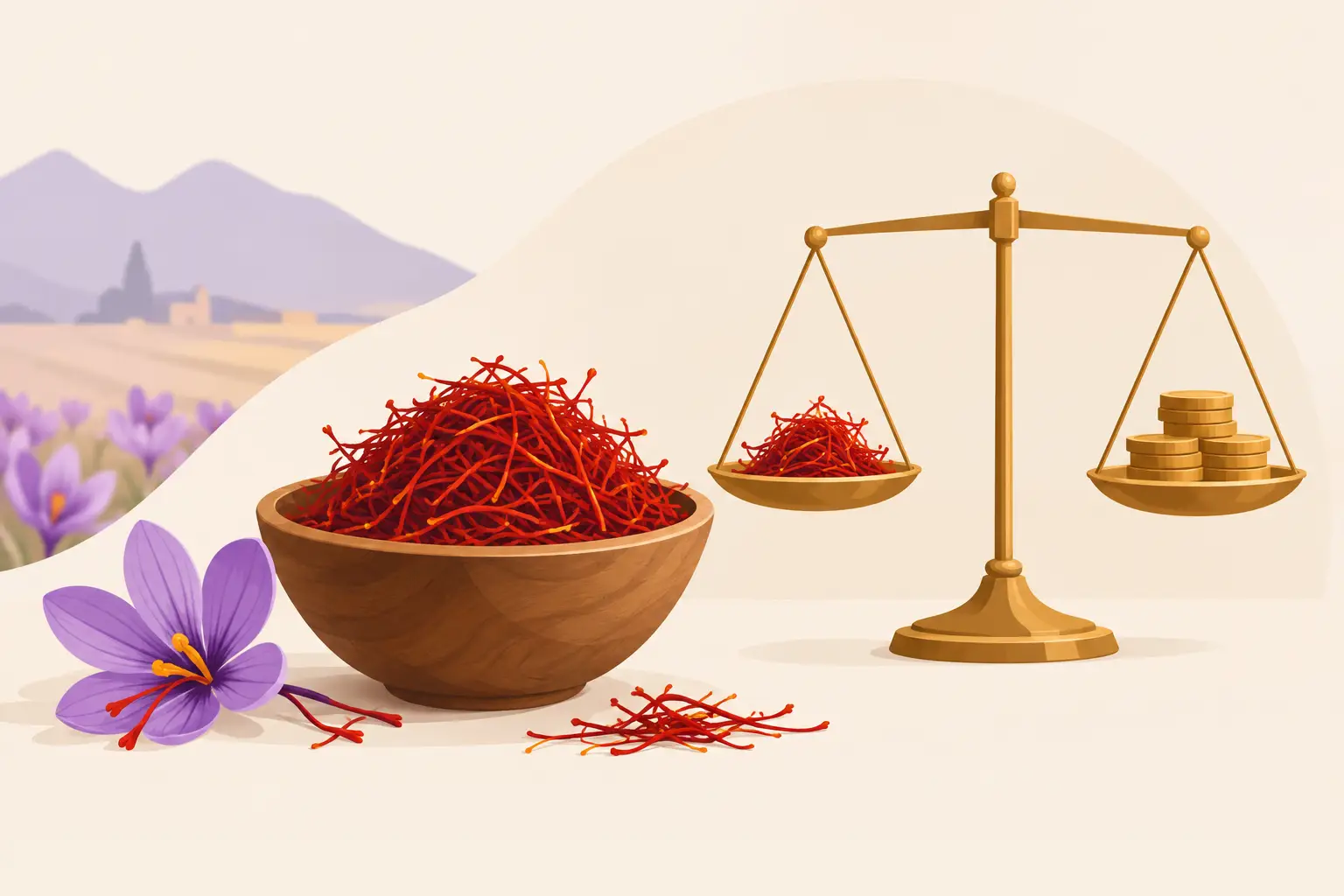
A saffron thread price can look surprising beside everyday spices. That is because saffron is not an everyday spice. Each crimson thread is the handpicked stigma of a crocus flower, carefully separated and naturally dried during a short annual harvest. Real saffron takes time, skill, and an extraordinary number of flowers to produce.
For cooks who care about authentic flavor, the better question is not simply, “What does saffron cost?” It is, “What am I receiving for the price?” Pure, aromatic Afghan saffron can bring a pot of rice, a golden custard, or a cup of tea to life with only a small pinch. Weak, old, or adulterated saffron cannot offer the same result, whatever its price tag says.
Saffron is the dried red stigma from Crocus sativus. Every flower produces only three stigmas. They must be harvested by hand, then separated with care so the valuable red portion remains clean and intact. The harvest is brief, labor-intensive, and deeply tied to the farming knowledge passed through saffron-growing communities.
This is why genuine saffron has long been known as one of the world’s most valuable culinary ingredients by weight. Its cost reflects far more than packaging. It reflects the field, the harvest, skilled hands, sorting, drying, quality control, and the careful journey from origin to kitchen.
Afghanistan, especially the Herat region, is respected for saffron with powerful color, a warm honeyed aroma, and a balanced flavor that is earthy, floral, and gently sweet. When threads are sourced directly from farmers and handled properly after harvest, they retain the qualities cooks are paying for: vivid color release, fragrance, and depth.
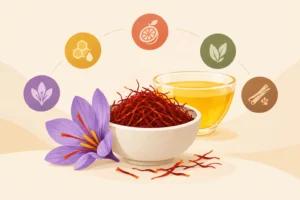
Not all saffron is equal. Two jars with the same weight can perform very differently in a recipe. Grade, origin, thread appearance, freshness, purity, and purchasing format all affect what a fair saffron thread price looks like.
The highest-quality saffron is made up primarily of deep red stigmas, with little to no yellow or pale style attached. Super Negin Grade A+ threads are prized because they are long, richly red, dry, and aromatic. Their appearance is not just beautiful. A clean red thread generally indicates that more of the flavorful, color-producing portion of the flower is present.
Lower-grade saffron may contain more yellow style, broken pieces, or mixed plant material. It may cost less by the gram, but it can require more threads to achieve the same color and aroma. That makes the apparent bargain less compelling once it reaches the pan.
Origin matters because growing conditions, harvest methods, and post-harvest handling shape the final spice. Herat saffron is valued for a reason: the region’s climate and long saffron tradition support exceptional thread quality.
Clear origin also gives buyers confidence. A seller should be able to tell you where its saffron comes from and what grade it is. Vague labels such as “premium saffron” or “imported saffron” offer far less reassurance than a named origin and transparent sourcing approach.
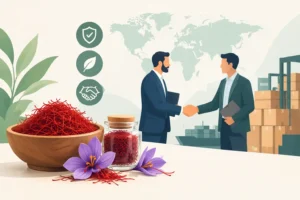
Direct farmer relationships can also make pricing more honest. Removing unnecessary middlemen helps preserve value for growers while allowing customers to purchase authentic saffron without paying for a long chain of markups. Farmers Saffron follows this field-to-kitchen approach with Afghan saffron sourced from Herat.
Saffron does not spoil quickly when it is stored well, but its aroma and strength gradually fade with exposure to heat, moisture, and light. Fresh threads should have a distinct fragrance. Expect notes that are floral, warm, hay-like, and slightly honeyed. A jar with almost no aroma may be old, poorly stored, or low in quality.
Proper packaging adds value because it protects the threads. Look for saffron stored in a sealed container that shields it from light and humidity. At home, keep it in an airtight jar in a cool, dark cupboard. Avoid storing it near the stove, where frequent heat can diminish its character.
Small jars often carry a higher price per gram than larger formats because packaging, handling, and fulfillment costs are spread over less product. That does not mean a small pack is poor value. For someone trying saffron for the first time, a 0.5-gram or 1-gram size can be the right choice. It allows you to experience true saffron without buying more than you will use.
For frequent cooks, bakers, gift buyers, or households that prepare saffron tea regularly, larger sizes can offer better value per gram. Restaurants, caterers, specialty retailers, and food producers often need bulk formats for consistency and purchasing efficiency. The right size depends on how often you cook with it and how carefully you can store it.
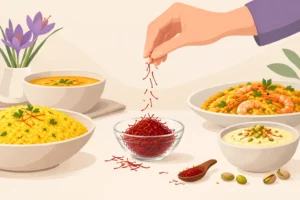
A little goes a long way when the threads are potent. Many home recipes serve four to six people with roughly 10 to 20 threads, though the exact amount depends on the dish and your preferred intensity. Persian-style rice, paella, risotto, milk desserts, saffron tea, and baked goods all use saffron differently.
The most effective method is to gently crush a small pinch of threads and bloom them in warm water, milk, or broth for 10 to 20 minutes before adding them to your recipe. Do not use boiling liquid, which can flatten the aroma. Blooming distributes the saffron’s color and flavor more evenly, helping every thread do its work.
This is another reason the lowest price is not always the best value. A small amount of strong Super Negin saffron can outperform a larger amount of weak powder or pale threads. Buy for performance, not only for weight.
Saffron is one of the spices most vulnerable to adulteration. Powder is especially difficult to assess because its appearance can hide fillers, dyes, or other materials. Whole threads offer more transparency, but buyers should still look closely.
Be cautious when saffron is dramatically cheaper than comparable origin-labeled products, particularly when the seller gives no grade, harvest details, or sourcing information. Extremely low pricing can indicate old stock, low-grade threads, excessive yellow material, or something that is not pure saffron at all.
Authentic threads are typically deep red, sometimes with a small natural variation in tone. They should be dry, delicate, and trumpet-shaped at one end. They should not look uniformly flat, glossy, oily, or artificially bright. In warm water, real saffron slowly releases a golden-yellow color while the thread itself retains much of its red character. It should not instantly bleed harsh red dye.
A reputable supplier should also make it easy to understand what you are buying. Product details should identify the grade, origin, thread form, and storage recommendations. Direct language is a good sign. So is a focus on purity rather than exaggerated promises.
For a first purchase, choose whole Super Negin threads in a small, sealed format. You can assess the aroma, practice blooming, and learn how little is needed for your favorite dishes. If saffron becomes part of your regular cooking, step up to a larger jar or multipack for better long-term value.
If you are shopping for a gift, threads are more memorable than powder. Their deep red color and unmistakable fragrance make the ingredient feel as special as it is. Pairing saffron with cardamom, dried fruit, tea, or sweets also reflects the generous hospitality and culinary heritage of Afghanistan.
Commercial buyers have a different calculation. Bulk saffron should provide dependable grade standards, consistent lots, traceable origin, and a supply relationship that can support repeat orders. A lower quote is only useful if the aroma, color strength, and purity remain consistent from one order to the next.
Think of saffron as a concentrated finishing ingredient, not a spice you measure by the spoonful. A fair price supports careful farming and hand processing while delivering threads that are clean, fragrant, and powerful in the kitchen. The goal is not to find the cheapest jar. It is to find saffron you can trust to color your food gold, perfume it beautifully, and honor the recipe you took the time to make.
Keep your threads sealed, bloom them gently, and let their aroma guide you. When saffron is pure and properly cared for, even a small pinch carries Herat’s harvest all the way to your table.
We proudly deliver authentic, high-quality Afghan saffron directly from the farms of Herat to customers around the world. Our mission is to offer pure, unadulterated saffron — without middlemen — ensuring you enjoy the true aroma, color, and taste of premium saffron with complete confidence.