

A single weak batch of saffron can flatten an entire service. The paella loses its glow, the saffron risotto smells faintly metallic instead of floral, and a signature dessert delivers none of the finish guests remember. Buying bulk saffron for restaurants is not simply a matter of finding the lowest price per gram. It is a decision about flavor consistency, menu cost, provenance, and trust.
For chefs and food buyers, the best saffron should arrive as deep red threads with a distinctive honeyed, floral aroma and the strength to perform in every batch. Afghan Super Negin saffron from Herat offers exactly that standard: handpicked, naturally processed, and valued for its rich color and expressive fragrance. From Herat to your kitchen, quality should remain visible.
Saffron is used in small amounts, but it carries disproportionate responsibility on the plate. A pinch can define the color of a seafood stew, the aroma of a Persian rice course, or the identity of a custard. That means inconsistency is expensive. If threads vary in potency from one purchase to the next, recipes need constant adjustment and food costs become harder to predict.
Bulk buying makes sense when saffron appears regularly across your menu, whether in savory dishes, baking, beverages, sauces, or house-made products. It can reduce the per-gram cost and prevent last-minute sourcing problems. Still, bulk only creates value when the saffron maintains its strength through service after service.
The trade-off is storage and purchasing discipline. A restaurant that uses saffron only for a seasonal dessert may be better served by smaller sealed packs. A restaurant with saffron rice, bouillabaisse, tea, or baked goods on the menu each week can benefit from a larger format, provided the kitchen protects the threads from light, heat, moisture, and strong odors.
The saffron market has a well-known purity problem. Low-priced products can contain excessive yellow style, broken material, artificial color, or other plant matter. Powdered saffron is especially difficult to verify because its appearance hides the condition of the original threads.
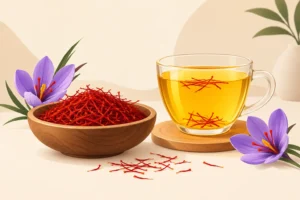
For professional cooking, whole threads offer a clearer quality check. Look for mostly vivid crimson-red strands with a dry, clean appearance. Small yellow or orange portions may occur naturally at the base of a thread, but a bulk pack dominated by pale material is not the same value as a pack of carefully selected red threads. Super Negin is prized for its long, red, separated stigmas and strong visual appeal.
Aroma is another useful signal. Fresh, authentic saffron should smell complex and inviting: floral, warm, hay-like, and lightly sweet. It should not smell dusty, stale, sharply chemical, or like artificial perfume. Its flavor is subtle, so do not expect a strong sugary taste from the dry threads. Saffron earns its place through aroma, color, and a refined bittersweet finish.
Ask your supplier direct questions about origin, grade, harvest handling, and packing. Clear answers matter. Farmers Saffron sources directly from farming communities in Herat, Afghanistan, where saffron cultivation is a cultural heritage as much as an agricultural craft. Direct sourcing helps remove unnecessary middlemen and creates a clearer path from field to kitchen.
A 500g bulk format is designed for serious commercial demand, not for a kitchen that uses a few threads every month. Before placing a large order, review your recipes and calculate usage by portion, not just by dish. A saffron rice recipe might use a small amount per hotel pan, while a large catering production of syrup, ice cream, or pastry can move through much more.
Think about peak service as well as average service. Wedding caterers, holiday-focused bakeries, and restaurants with seasonal tasting menus often need more stock during a short period. In those cases, a bulk purchase can protect production schedules and simplify procurement. For a menu item that is rarely ordered, smaller packs may keep the ingredient fresher and free up storage space.
Cost per gram should be evaluated alongside yield. Strong saffron lets a chef achieve the desired color and aroma with less product. Weak saffron may look inexpensive until the kitchen has to double the dose to get a pale result. The right comparison is cost per finished batch, not the number printed on the package.
Once your kitchen selects a saffron supplier, document the exact thread weight for each recipe. Use a precise scale capable of measuring small quantities. A recipe that says “a pinch” can work for a home cook, but it invites variation across multiple cooks and shifts.
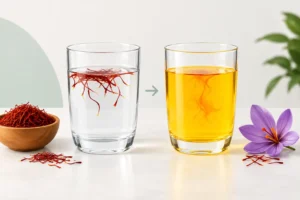
For many preparations, blooming is the most reliable way to capture saffron’s character. Gently crush the measured threads between clean fingers or with a mortar and pestle, then steep them in a small amount of warm water, stock, or milk. Avoid boiling water directly on the threads. Excessive heat can mute the aroma you paid for.
Allow time for the liquid to turn a clear golden-orange before adding it to the dish. This method distributes color evenly and prevents threads from clumping in one portion. For rice, use the infusion near the final stage or layer it into cooked rice. For sauces and custards, add the bloom where it can perfume the mixture without prolonged aggressive cooking.
Even exceptional saffron cannot stay exceptional if it sits beside a hot range in a loosely closed container. Bulk saffron should be divided into practical working portions as soon as it arrives. Keep the reserve supply sealed in an airtight, food-safe container and only refill a smaller kitchen container as needed.
Store it in a cool, dark, dry cabinet away from steam, sunlight, coffee, vanilla, garlic, and other powerful aromas. Refrigeration is not usually necessary and can introduce moisture if the container is opened before it reaches room temperature. The goal is simple: dry threads, stable temperature, minimal air exposure.
Label each container with the arrival date, lot information if available, and the person responsible for replenishment. First-in, first-out rotation is sensible, though properly stored whole saffron can retain its quality for a long time. If the aroma fades noticeably or the threads feel damp, review the storage process before blaming the source.
Saffron deserves a role beyond a menu description. Use it in a dish where its aroma is allowed to rise: a golden broth poured tableside, a fragrant rice course beneath grilled lamb, a saffron aioli for seafood, or a custard with a clean floral finish. When it is buried beneath heavy smoke, excessive chili, or too much sugar, even premium threads can disappear.
It also supports menu storytelling. Guests increasingly want to know where distinctive ingredients come from and why a dish tastes different. “Afghan saffron from Herat” is meaningful when the kitchen follows through with real color, fragrance, and careful preparation. It signals that the restaurant has selected an ingredient with origin, not a generic yellow coloring agent.
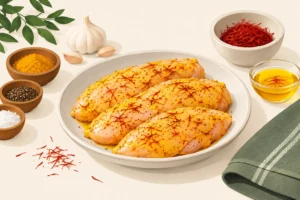
For beverage programs, saffron can bring distinction to tea, lattes, syrups, and zero-proof cocktails. In pastry, it pairs naturally with cardamom, pistachio, citrus, rose, cream, almond, honey, and pear. In savory cooking, it has a natural home with seafood, chicken, legumes, rice, tomato, and slow-cooked broths. The key is restraint. A measured amount leaves guests curious for another bite; too much can taste medicinal.
Restaurant purchasing is built on repeatability. Your chefs need the same potency, your guests need the same experience, and your team needs confidence that the next order will meet the same grade. Prioritize suppliers who can state the origin of their saffron, explain their quality standard, and provide a dependable wholesale path for growing demand.
The best bulk saffron for restaurants is not the one that simply fills a pantry shelf. It is the one that brings clear color to the pass, true aroma to the dining room, and a traceable story to every dish. Start with a small test in your highest-impact recipe, record the yield, and let the finished plate make the purchasing decision.