

A good paella announces itself before the first bite. Steam rises from the pan carrying toasted rice, olive oil, sofrito, and the warm, honeyed fragrance of saffron. Choosing the best saffron for paella is not about making the rice bright yellow. It is about bringing a clear aroma, golden color, and quiet depth to every spoonful.
Paella is built on restraint. The rice should taste like the stock, vegetables, seafood, chicken, or rabbit you have chosen. Saffron belongs in that balance. Use weak, stale, or diluted saffron, and the dish loses one of its defining notes. Use too much, and its bitterness can take over. The right threads give paella character without demanding attention.
For paella, buy pure saffron threads with strong color, a fresh aroma, and a clearly stated origin. Whole threads matter because they let you see what you are buying. Powdered saffron can be convenient, but it is much harder to assess for purity and can be mixed with cheaper ingredients.
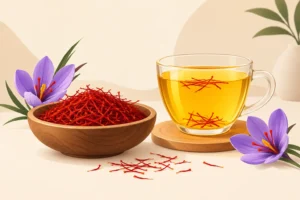
Look first at the color. Premium saffron consists mostly of deep crimson-red stigmas. A slight orange variation near the lower end of a thread is natural, but an abundance of yellow style or pale material means you are paying for parts with less color and flavor. The threads should be dry and intact, not dusty, brittle with age, or crushed into fragments.
Then smell it. Fresh saffron has a distinctive fragrance that is floral, hay-like, warm, and slightly sweet. It should never smell flat, musty, or sharply chemical. Its flavor is similarly complex: earthy, lightly bitter, and honeyed rather than sugary. These details are what make saffron feel at home in a pan of carefully prepared rice.
Grade is useful when it reflects real quality. Super Negin Grade A+ saffron is prized for its long, thick, predominantly red threads and exceptional color strength. It is a particularly strong choice for paella because a small amount can perfume the entire pan without adding excess yellow plant material.
Not all saffron grows or is handled the same way. The soil, harvest practices, sorting, drying, and storage all shape what reaches your kitchen. Saffron from Herat, Afghanistan, has earned a reputation among serious cooks for its intense red color, rich aroma, and clean flavor.
Herat has a long saffron-growing tradition. The crocus flowers are harvested by hand, and the delicate red stigmas are separated and naturally dried with care. That labor shows in the finished spice. Properly handled Afghan saffron blooms beautifully in warm liquid and gives paella a luminous golden tone rather than an artificial-looking yellow.
Clear origin also provides confidence. Saffron is one of the world’s most commonly adulterated spices, so vague labels and unusually low prices deserve caution. A seller should be able to tell you where its saffron comes from, what grade it is, and whether it is sold as pure threads. Traceability is not a marketing detail. It is part of buying saffron that will perform reliably in the pan.
Farmers Saffron offers single-origin Super Negin Grade A+ threads sourced directly from farming communities in Herat, bringing pure Afghan saffron from field to kitchen.
Threads are the better choice for most home cooks. They preserve aroma longer, make quality visible, and give you more control over infusion. Their price can seem higher at first, but potent threads are used in very small amounts. A little goes a long way when the saffron is fresh and properly bloomed.
Saffron powder has one reasonable use: it disperses quickly. But that convenience comes with a trade-off. Unless it comes from a supplier you trust completely, you cannot easily confirm that it contains only saffron. For a dish as ingredient-focused as paella, whole threads are worth the extra minute of preparation.
For a paella serving four to six people, start with 12 to 20 high-quality threads, or roughly a generous pinch. If you are making a larger pan for eight to ten people, use about 25 to 35 threads. The exact amount depends on the thread strength, your stock, and the other flavors in the dish.
This is one place where more is not always better. Very potent saffron needs a lighter hand. If you are using Super Negin threads for the first time, begin conservatively. You can learn how its color and aroma behave in your preferred recipe, then adjust on the next pan.
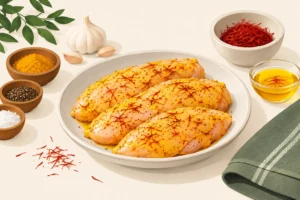
Paella with delicate seafood often benefits from a restrained dose that allows shrimp, mussels, clams, and fish stock to remain distinct. A richer chicken-and-rabbit paella can carry a little more saffron. In vegetable paella, saffron can be especially noticeable, so balance it with a deeply flavored sofrito and good stock.
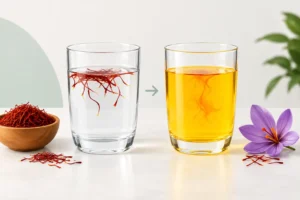
The best saffron for paella needs a short bloom to show its full potential. Do not toss dry threads directly into the pan and expect the same aroma or color. Heat and moisture release saffron’s compounds, and a simple infusion distributes them evenly through the rice.
Gently crush the threads between your fingers or with a mortar and pestle. You are not trying to turn them into a fine powder, only to expose more surface area. Place them in a small cup with two to four tablespoons of warm stock or water. Let them steep for 10 to 15 minutes while you prepare the sofrito.
Use warm liquid, not boiling liquid. Aggressive heat can mute saffron’s more delicate aromatic notes. Add the infused saffron and every drop of its golden liquid to the paella when you add the stock. Once the rice is spread across the pan, avoid stirring repeatedly. Paella needs stillness near the end so the grains cook evenly and the prized socarrat can form at the bottom.
The cheapest saffron is rarely the best value. Low-cost options may contain excess yellow style, old threads with little aroma, or adulterants designed to imitate saffron’s color. A bargain jar can leave you using more product for less flavor, which defeats the purpose.
Do not judge by color alone, either. Brilliant red threads are a good sign, but freshness, aroma, and source matter just as much. Threads that have sat in a clear container under bright lights may look attractive while losing their fragrance over time.
Also avoid storing saffron near the stove, where heat and humidity work against it. Keep the threads in an airtight container in a cool, dark cabinet. Do not refrigerate them unless moisture is fully controlled. Properly stored premium saffron can retain excellent quality for years, although its aroma is most vivid when used within the first year or two after purchase.
Choose the size that matches how often paella appears at your table. A 0.5-gram or 1-gram jar is practical for occasional cooks and makes a thoughtful gift for someone who loves Spanish, Persian, Indian, or Mediterranean food. A larger size makes sense if saffron also goes into tea, rice dishes, baking, sauces, and desserts.
Most importantly, buy saffron you will be comfortable using. Premium threads deserve a place beyond the back of the spice cabinet. Make the paella when friends come over. Bloom a few threads for a weeknight rice dish. Let the aroma tell you when the ingredient is fresh, pure, and worthy of the meal you are making.
The finest paella does not need a heavy hand. It needs honest ingredients, patient heat, and saffron with enough life left in every red thread to turn a simple pan of rice into something people remember.