

A pot of saffron rice should smell warm, floral, and faintly honeyed before it reaches the table. The grains should glow golden, not look aggressively yellow or taste medicinal. Knowing how much saffron for rice is what creates that balance. With pure, aromatic Super Negin threads, a little goes a long way.
For most home cooking, use 15 to 20 saffron threads for every 2 cups of uncooked rice. This makes enough rice for roughly four to six servings and gives the finished dish a clear saffron aroma, rich golden color, and elegant flavor without overwhelming the rice.
That is approximately a scant 1/8 teaspoon of loosely measured threads, depending on their length and thickness. Measuring by threads is more dependable than measuring by spoon, particularly when you are using large, red Super Negin saffron threads from Herat.
Use the lower end of the range when saffron is one note among many, such as in a rice pilaf with cardamom, dried fruit, nuts, or stock. Use 20 threads, or a few more, for a simple basmati rice where saffron is meant to lead. For a dramatic saffron rice served alongside grilled lamb, chicken, or vegetables, flavor matters more than deep color alone.
| Uncooked rice | Saffron threads | Best for | |—|—:|—| | 1 cup | 8 to 12 threads | Two to three servings | | 2 cups | 15 to 20 threads | Four to six servings | | 3 cups | 22 to 30 threads | A family meal or small gathering | | 4 cups | 30 to 40 threads | Entertaining and larger platters |
These quantities assume fresh, authentic saffron with strong color and aroma. If you have saffron that looks pale, contains yellow styles, or gives off little fragrance, adding more may produce color but rarely produces the clean, luxurious flavor you want. Potency is part of the value of quality saffron.
Do not drop dry saffron threads straight into a pot of rice. They will color only a few grains and leave much of their aroma trapped in the thread. Blooming is the small step that turns a pinch of saffron into a full, even expression of color and fragrance.
Start by placing the threads in a small mortar, spice grinder, or the back of a spoon. Crush them gently with a tiny pinch of sugar or salt. You are not trying to make a large quantity of powder. You simply want to break the threads open so their natural color and aroma can release into liquid.
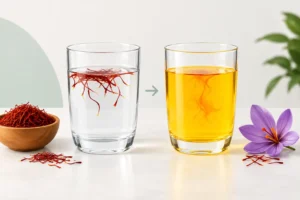
Add 2 to 3 tablespoons of hot water, not boiling water, and let the saffron sit for 10 to 15 minutes. The water should turn a deep amber-gold, and the fragrance should become more noticeable. For 2 cups of rice, this amount of blooming liquid is enough.
There is also a classic Persian-style method: pour a tablespoon or two of cold water over the crushed threads, then add a small ice cube and let it melt. This slow extraction creates exceptional aroma and color. It takes a little longer, but it is a beautiful choice for celebratory dishes, jeweled rice, or tahdig.
Once bloomed, add the saffron liquid near the end of cooking. If you are making steamed basmati rice, spoon it over a portion of cooked rice and gently layer that saffron rice over the plain rice. This creates distinct golden streaks, a traditional and striking presentation. For evenly colored rice, fold the bloomed saffron into the pot carefully after the rice is cooked, then cover and let it rest for five minutes.
The right amount also depends on the role saffron plays in your recipe. There is no single measurement that suits every rice dish.
For Persian saffron rice, it is common to bloom the saffron and mix it with a few spoonfuls of cooked rice first. That intensely colored rice is then mounded over the rest of the platter. In this case, 15 to 20 threads for 2 cups of uncooked rice are usually enough because the saffron is concentrated in the top layer.
For paella, biryani, or a saffron risotto, the saffron is distributed throughout the dish. Use about 20 to 25 threads for 2 cups of rice, especially when broth, tomatoes, onions, or spices compete for attention. Add the bloomed saffron at a point when the rice can absorb it without prolonged hard boiling.
For a delicate saffron butter rice or plain white basmati, restraint is a virtue. Start with 12 to 15 threads for 2 cups of rice. You can always bloom a few extra threads and add more, but you cannot take back an overly bitter batch.
Long-grain basmati is especially suited to saffron because its floral character carries the spice well. Jasmine rice can also work, though its own perfume is stronger, so use saffron with a lighter hand. Short-grain rice absorbs flavor beautifully but often needs a little more blooming liquid folded in gently to distribute the color.
If you cook rice in a rice cooker, bloom the saffron separately and add the liquid after the rice has finished cooking. Let the rice stand on the warm setting for five to 10 minutes before fluffing. Adding saffron at the beginning can dull its aroma during the long cooking cycle.
If your recipe calls for turmeric, remember that turmeric supplies a bold yellow color but does not taste or smell like saffron. You may use both, but reduce neither ingredient simply because the rice already looks golden. Saffron earns its place through aroma and flavor: floral, earthy, lightly sweet, and unmistakably refined.
The most common mistake is using too much. Saffron is not paprika. A heavy hand can make rice taste sharp, bitter, or medicinal, especially when the threads are exceptionally fresh and naturally potent.
The second mistake is judging saffron only by color. Authentic saffron creates a gradual golden bloom, not an instant neon yellow flood. Its aroma should be warm and complex. If threads are mostly red, dry to the touch, and fragrant when gently warmed between your fingers, you are starting with the right foundation.
Avoid soaking whole threads in a large cup of water. Too much liquid weakens the impact and can make rice wet. Keep the bloom concentrated, then distribute it with purpose. Also avoid storing saffron near heat, sunlight, or steam. A tightly sealed container in a cool, dark cabinet protects the aroma that makes each thread valuable.
Farmers Saffron brings handpicked Super Negin Grade A+ saffron from Herat, Afghanistan, directly from farming communities to your kitchen. Its vivid red threads are naturally potent, so the modest ratios above are designed to let purity speak for itself.
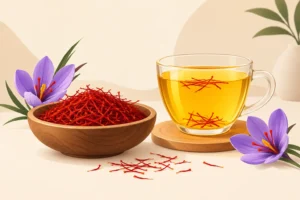
The next time rice is on the menu, begin with 15 to 20 threads for 2 cups, bloom them patiently, and let the fragrance guide you. A small golden cup of saffron water can turn an everyday pot of rice into something guests remember.