A meaningful saffron review begins before the first thread reaches hot water. Saffron is sold in tiny amounts, often at a premium price, and that makes every detail matter: where it was grown, how it was harvested, what the threads look and smell like, and how much color and flavor they deliver in your kitchen. The best saffron should feel like a small luxury with a clear purpose – pure color, deep aroma, and unmistakable character.
For cooks who care about ingredients, a jar of saffron should never be a mystery. It should tell a story of origin and quality. Afghan saffron from Herat is prized for exactly that reason. It is handpicked from crocus flowers, carefully dried, and valued for its vivid red stigmas, honeyed floral fragrance, and warm, complex flavor.
A useful review is not only about whether a package arrived on time or whether the container looks elegant on a shelf. Those details have their place, but saffron earns its reputation in the cup, pot, and pan. Quality reveals itself through the thread itself, then through the bloom it creates.
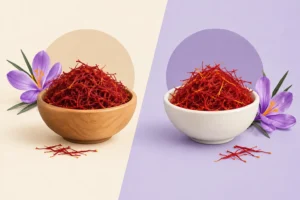
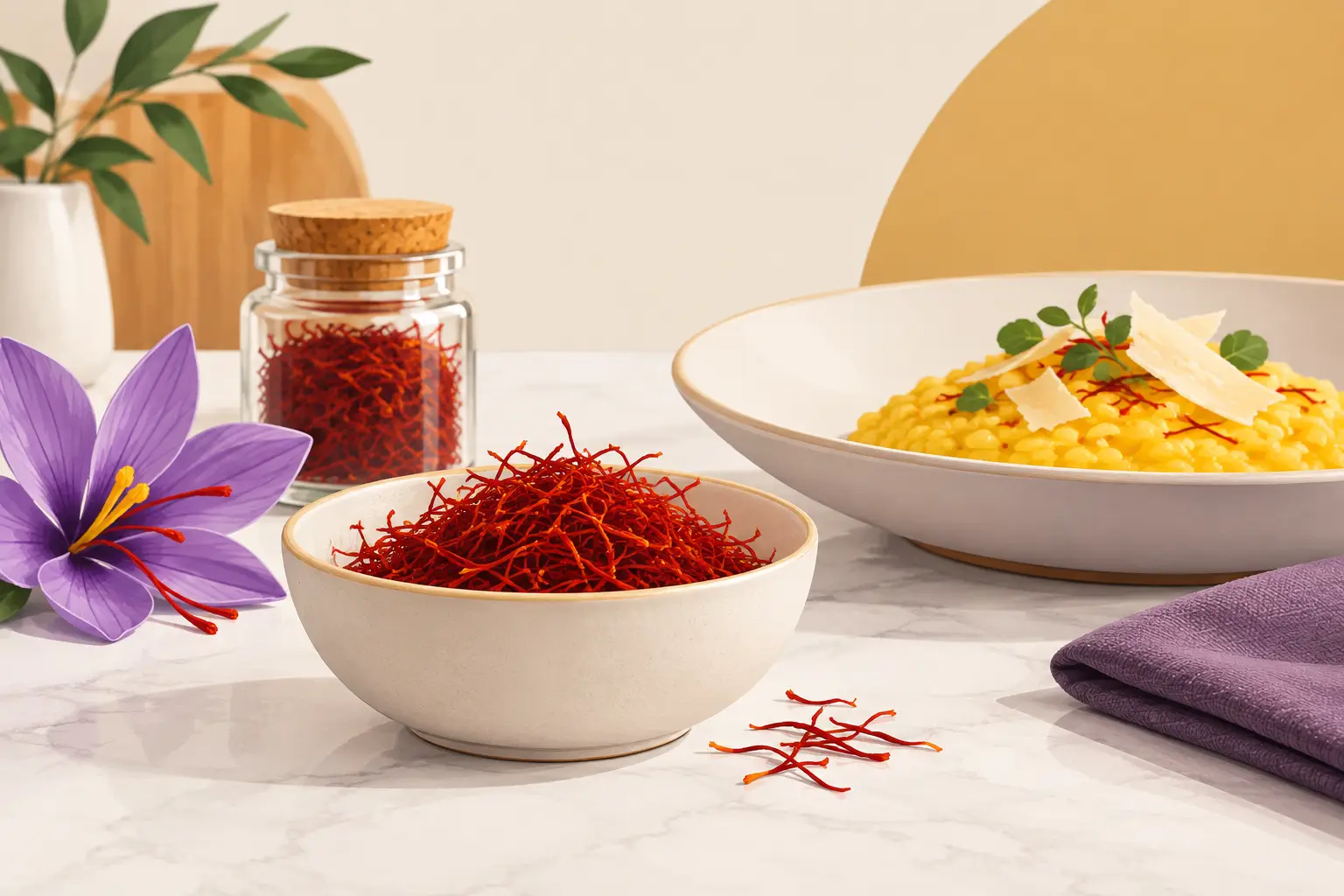
Start with appearance. Premium saffron threads should be mostly deep crimson red, with broad, trumpet-shaped ends. Super Negin saffron is known for its long, thick red stigmas and minimal yellow or orange style attached. A few natural variations are normal because saffron is an agricultural product, not a factory-made powder. But a package full of pale yellow material, broken dust, or threads with an unnaturally uniform appearance deserves closer scrutiny.
Next comes aroma. Open the container and you should notice a concentrated fragrance that is floral, warm, slightly sweet, and earthy. Some people recognize notes of hay, honey, or dried flowers. The aroma should be present without smelling harsh, chemical, or perfumed. Real saffron has depth. It does not smell like artificial candy or rely on an aggressive scent to make an impression.
Then consider color release. When properly bloomed, strong saffron creates a golden yellow to rich amber infusion. The threads release their color gradually rather than turning water instantly bright red. That slow transformation is one of saffron’s quiet signatures. The liquid should look luminous and warm, ready to color rice, sauces, desserts, tea, and baked goods with very little product.
Color strength matters, but it is not the whole review. A seasoning can produce yellow color and still lack the aroma and flavor that make saffron special. Turmeric, dyed fibers, and low-grade material can mislead a buyer who judges only by appearance.
Taste is where premium saffron separates itself. The flavor should be gently bitter, floral, and savory, with a rounded finish that lingers without becoming medicinal. Used well, it should lift other ingredients rather than cover them. In a pot of basmati rice, it adds fragrance and a golden glow. In a custard or milk dessert, it brings warmth and a subtle floral note. In tea, it creates a calm, aromatic cup that needs no heavy sweetening to feel complete.
The trade-off is that saffron needs a little care. Tossing dry threads directly into a large dish can work, but it rarely gives the full result. Blooming the threads first lets you judge their color, aroma, and strength while getting more from every pinch.
To bloom saffron, gently crush a small pinch of threads between your fingers or with a mortar and pestle. Add a few tablespoons of warm water, milk, or stock, then let it sit for 10 to 20 minutes. Avoid boiling water, which can flatten the delicate aroma. Add both the liquid and threads near the end of cooking, unless your recipe calls for a longer infusion.
This simple step is also an honest test. Fine saffron will perfume the bloom and color it richly with a small number of threads. If you need a large amount to see or smell a difference, the saffron may be weak, old, or poorly stored.
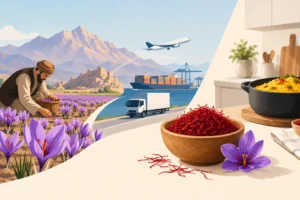
Saffron quality begins in the field. Herat, Afghanistan, has long been recognized as one of the world’s distinguished saffron-growing regions. Its dry climate, soil conditions, and generations of cultivation knowledge support the production of saffron with exceptional aroma and color strength.
Origin is more than a romantic detail on a label. It gives a buyer a way to understand what they are purchasing. When the country or region is unclear, it is difficult to assess the product’s character, handling, and supply chain. A clearly identified, single-origin saffron gives you a stronger connection to the growers and to the agricultural standards behind each harvest.
Direct sourcing also matters in a category where saffron may pass through several hands before reaching a kitchen. More middlemen can mean less visibility into age, storage, and authenticity. Farmers Saffron works directly with Afghan farming communities to bring Super Negin Grade A+ threads from Herat to home cooks and commercial kitchens. The goal is simple: pure saffron with a traceable journey from field to table.
Even excellent saffron can lose its magic when exposed to light, air, heat, and moisture. A thoughtful saffron review should consider how the threads are packed and how long they will stay useful after opening.
Look for saffron held in a sealed, protective container rather than a flimsy bag that lets threads crush easily. Once opened, keep the container tightly closed in a cool, dark cabinet away from the stove, sunny windows, and humidity. Refrigeration is usually unnecessary and can introduce moisture if the container is repeatedly opened.
Whole threads are the best choice for most buyers because they make quality easier to inspect and preserve their aroma longer than ground saffron. Powder is convenient, especially for commercial production, but it is harder to verify visually and can lose potency faster. If your priority is confidence and freshness, whole red threads offer the clearest experience.
With careful storage, saffron can retain good quality for many months and often longer. Still, it is best used while its aroma is lively. Buying a size that fits your cooking habits is smarter than purchasing more than you can enjoy. A 0.5g or 1g jar suits occasional cooks, while 2g to 5g options make sense for frequent entertaining, baking, tea rituals, or gifting. Larger quantities are practical for restaurants, caterers, retailers, and food producers who use saffron consistently.
Saffron is powerful, so more is not always better. For a dish serving four to six people, a generous pinch is often enough. Think roughly 15 to 30 threads for rice, risotto, paella, tea, or a small batch of dessert, then adjust according to the recipe and the intensity you prefer.
Using too much can make the flavor overly bitter. Using too little can leave a dish pale and forgettable. The right amount depends on the dish, the age of your saffron, and whether you bloom it first. That is why a quality product with dependable strength is worth more than a bargain jar that demands twice as much to achieve a similar result.
The finest saffron does not need exaggerated claims. Its quality is visible in the red threads, clear in the aroma, and memorable in the food it touches. Look for transparent origin, whole Super Negin threads, careful packaging, and a supplier willing to stand behind purity and handling.
A reliable saffron review should leave you with confidence, not confusion. Choose threads that bring the sunlit color, floral warmth, and culinary heritage of Herat into your own kitchen. Then give them a little time to bloom – the first golden spoonful will tell you why true saffron has been treasured for centuries.