
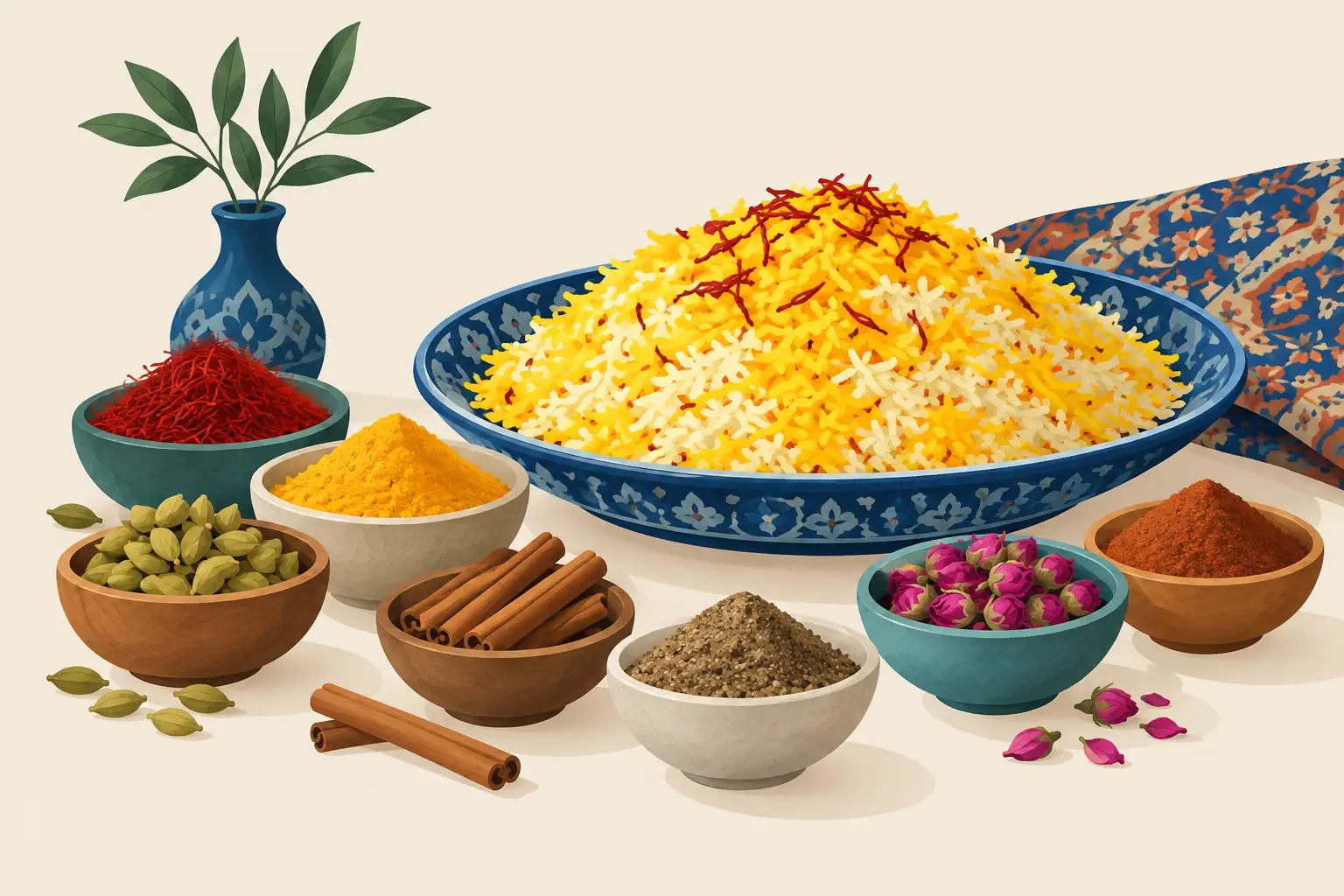
A great Persian rice dish does not need a crowded spice cabinet. The best spices for Persian rice are used with restraint, building aroma, color, and contrast while allowing the rice itself to stay light and separate. A few vivid saffron threads, a warm note of cardamom, or the gentle perfume of rose can change an everyday pot of basmati into something worthy of the center of the table.
Persian cooking is regional, family-driven, and wonderfully varied. There is no single correct spice blend for every rice dish. The right choice depends on whether you are making classic chelow, jeweled rice, a herb-filled polo, or a rice dish to serve beside lamb, chicken, fish, or stew. Start with quality ingredients, then use each spice with a confident but careful hand.
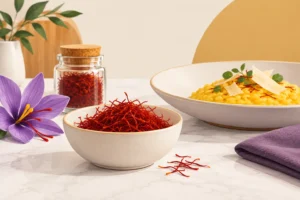
Saffron is the defining spice in many celebrated Persian rice dishes. It brings a glowing golden color, a floral-honey aroma, and a subtle earthy bitterness that keeps rich food from tasting heavy. It is not meant to make every grain bright yellow. Traditionally, saffron rice is often prepared as a small, intensely colored portion and layered or spooned over white rice just before serving.
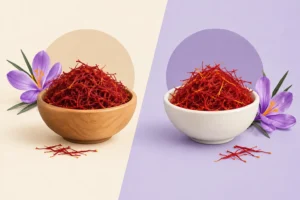
For the cleanest flavor, use whole threads rather than saffron powder. Deep red, aromatic threads with minimal yellow or white material offer the best color and fragrance. Afghan Super Negin saffron from Herat is especially prized for its long red threads and powerful aroma. Farmers Saffron works directly with Afghan farming communities to bring this heritage ingredient from field to kitchen.
Grind a generous pinch of threads with a small pinch of sugar or salt, then steep it in 2 to 3 tablespoons of hot water for 15 to 20 minutes. The water should be hot, not furiously boiling. Mix this saffron liquid with a scoop of cooked rice, cover it briefly, and let the steam carry the aroma through the grains.
Green cardamom gives Persian rice a fresh, citrusy sweetness that works beautifully in festive dishes such as shirin polo and morasa polo. It is especially good with orange peel, carrots, dates, raisins, almonds, pistachios, and poultry.
Use whole pods for a quieter fragrance or freshly ground seeds for a more direct flavor. If you cook the pods in the rice, crack them lightly first so their oils can escape. Remove them before serving if you prefer a smooth eating experience. A little goes a long way: for 2 cups of dry rice, four to six pods are usually enough.
Cardamom can easily take over a dish when paired with too much cinnamon or rose. Let it be one clear, lifted note rather than turning your rice into a dessert.
Cinnamon is a familiar flavor, but Persian cooking uses it with more finesse than many home cooks expect. It can add comforting warmth to rice with lamb, dried fruit, carrots, or lentils. In jeweled rice, it supports the sweetness of fruit without making the dish taste like a pastry.
A small piece of cinnamon stick is usually easier to control than a spoonful of ground cinnamon. Add it to the cooking liquid or simmer it briefly with onions and dried fruit, then remove it before assembling the rice. If using ground cinnamon, begin with just one-eighth teaspoon.
Cinnamon is best when it stays in the background. Too much can muddy saffron’s delicate character and darken the clean flavor of basmati.
Cumin is not required for plain saffron rice, but it has an important place in more savory Persian-style rice dishes. Its nutty, earthy flavor pairs well with lentils, beef, lamb, potatoes, and caramelized onions. It can be particularly good in adas polo, a rice-and-lentil dish often finished with dates or raisins.
Use cumin seeds when you want texture and a toasted aroma. Warm them in butter or oil for a few seconds before adding onions or folding them through the rice. Ground cumin is more assertive, so use it sparingly. For most family-sized pots, one-half teaspoon is plenty.
Choose cumin when your main dish needs grounding. Skip it when saffron, rose, and citrus are meant to lead.
Turmeric brings an earthy, slightly peppery warmth and a sunny color. It is common in Persian home cooking, particularly in rice dishes built with chicken, vegetables, legumes, or seasoned onions. While saffron is the luxury spice, turmeric is a practical pantry ingredient that adds depth without asking for much.
The key is to bloom turmeric in fat. Cook it briefly in oil, butter, or ghee with onions before it touches the rice or cooking liquid. Raw turmeric can taste dusty and flat. A short sizzle brings out a fuller, warmer flavor.
Do not treat turmeric as a substitute for saffron. It can make rice yellow, but it cannot provide saffron’s floral aroma or refined finish. Used together, turmeric can form the savory base while saffron becomes the finishing note.
Dried rose petals or culinary rose powder can make a festive rice dish feel unmistakably special. Their fragrance is delicate, lightly sweet, and more complex than floral water. They pair naturally with saffron, pistachios, almonds, pomegranate, orange peel, and cardamom.
Use rose very lightly. Crush a small pinch of food-grade dried petals between your fingers and scatter them over finished rice, or fold them into a garnish of nuts and fruit. Heating rose for too long can make its perfume disappear, so it belongs near the end.
Rose is a finishing ingredient, not an everyday requirement. It is ideal for celebrations and jewel-toned rice platters, but a simple rice dish may be better served by saffron alone.
Barberries are technically dried fruit rather than a spice, but they deserve a place beside the best spices for Persian rice. These small ruby berries bring a sharp, clean tartness that balances buttery rice, sweet saffron, and savory chicken. Zereshk polo, often served with chicken, is one of the most beloved examples.
Rinse barberries gently and pick out any stems. Sauté them only briefly in butter with a touch of sugar. They burn quickly and can turn bitter if left over heat too long. Fold them into the rice at the end or scatter them across the top for color and contrast.
If you cannot find barberries, dried sour cherries can provide a similar sweet-tart effect, though the flavor is not the same. Avoid substituting cranberries unless they are unsweetened and used carefully, as their flavor is often much sweeter.
The most memorable Persian rice usually has one leading aroma, one supporting warmth, and one contrasting garnish. Think saffron with cardamom and barberry, or turmeric with cumin and caramelized onions. When every spice is added at once, the result can lose the graceful clarity that makes Persian rice so appealing.
For plain chelow, saffron and salt may be all you need. For a festive rice, saffron can lead while cardamom, cinnamon, rose, nuts, and dried fruit create layers. For lentil or meat-based polo, cumin and turmeric can carry more of the savory work, with saffron added at the end for fragrance.
Quality matters most with saffron. Store threads in an airtight container away from light, heat, and moisture. Do not keep them beside the stove or in a clear jar on an open shelf. Properly stored saffron retains its rich color and aroma far longer, so every pinch delivers what Persian rice deserves.
Spices cannot rescue poorly cooked rice. Choose aged basmati rice with long grains, rinse it until the water is mostly clear, and salt the cooking water generously. Many Persian rice methods parboil the rice first, then steam it until each grain is tender and separate.
And then there is tahdig: the prized golden crust at the bottom of the pot. It may be made with rice, thin potato slices, or lavash. Saffron water brushed over the rice or mixed into the bottom layer can give tahdig a beautiful color and aroma, but keep the heat controlled. The goal is crisp and golden, never scorched.
Let your senses decide the final balance. When the lid comes off, the first aroma should be warm, clean, and inviting. Let saffron lead when the occasion calls for it, add supporting spices with care, and serve the rice while its perfume is still rising from the pot.