
A great biryani announces itself before the lid comes off. You smell warm spices, slow-cooked meat or vegetables, and the floral sweetness of saffron rising through the rice. To prepare saffron for biryani well, the goal is not to make every grain bright yellow. It is to create concentrated pockets of aroma, gold color, and delicate flavor across the top layers of the dish.
That result begins with real saffron threads. Premium Afghan saffron from Herat has a naturally vivid red color, a honeyed floral aroma, and the strength to perfume a full pot with a small amount. Treat it gently. Saffron is precious because it is handpicked and naturally processed, but it does not need complicated handling in the kitchen.
For a standard biryani serving four to six people, use a generous pinch of saffron – usually about 15 to 25 threads, or roughly 1/8 teaspoon when lightly crushed. If your biryani is large, richly layered, or made for guests, increase the amount modestly rather than flooding the rice with colored milk.
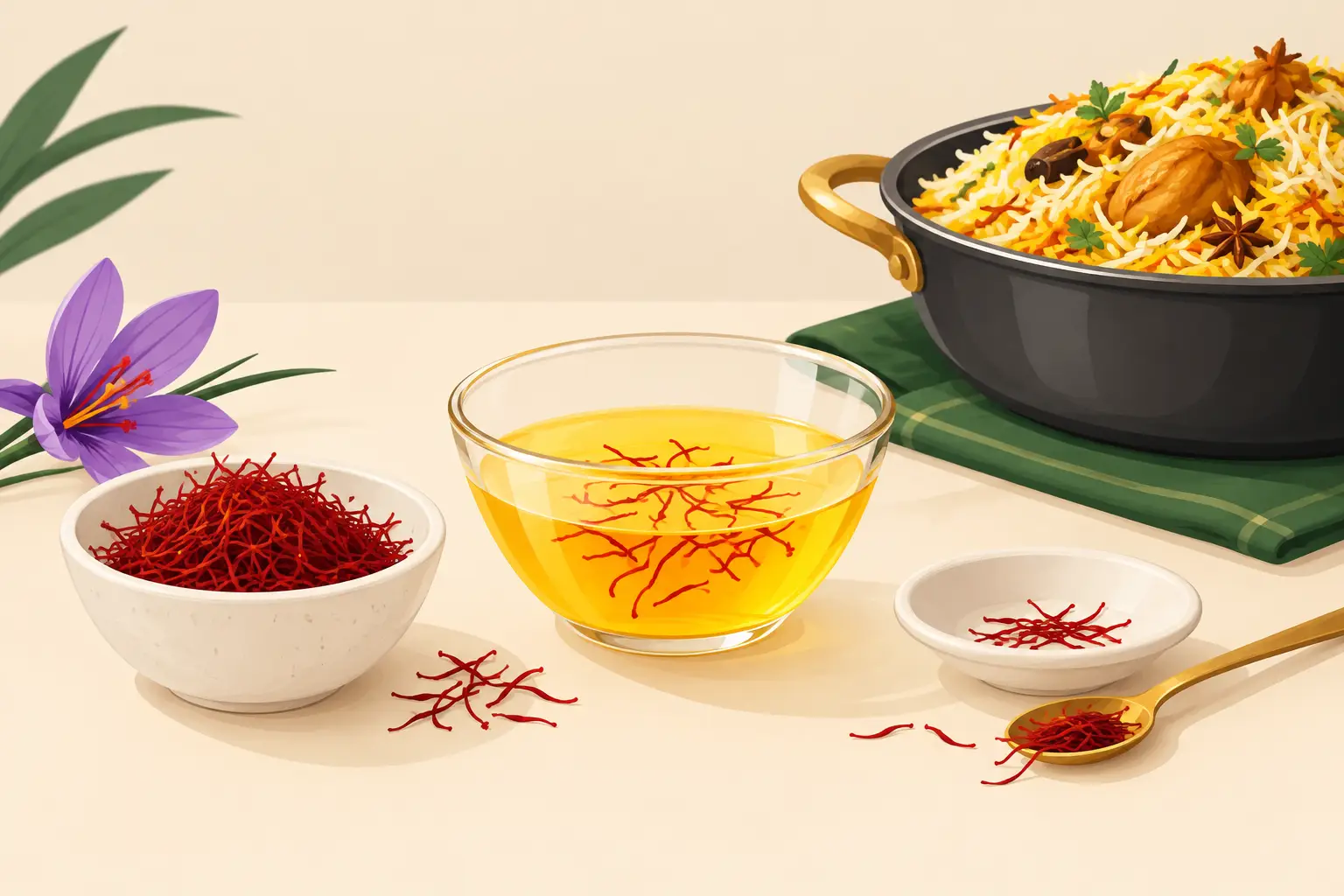
Place the threads in a small mortar, spice grinder, or the bottom of a small bowl. Add a tiny pinch of sugar or a few grains of salt, then crush the threads gently with a pestle or the back of a spoon. The sugar or salt gives the threads a little grip, helping them break down without being ground into dust.
Next, add 2 to 4 tablespoons of warm milk. Whole milk is traditional because its richness carries saffron beautifully through the rice. The milk should be warm, not boiling. If it is hot enough to sting your finger, let it cool for a minute before adding it to the saffron.
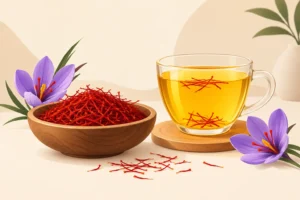
Let the mixture stand for 15 to 20 minutes. During this bloom, the liquid turns golden yellow and the saffron opens into its full aroma. The color should look warm and luminous, not artificially neon. That slow transformation is one of the small rituals that gives biryani its character.
Dry threads placed directly over rice can still add color, but they will not distribute as evenly or release their full perfume. Crushing exposes more of the thread surface. Blooming gives saffron time to infuse before it meets the heat of the finished dish.
There is one exception: if you have exceptionally aromatic, fresh Super Negin saffron, you may use a few whole threads as a final garnish after blooming the main portion. Their deep red shape looks beautiful against white basmati rice and signals the quality of the ingredient on the plate.
Warm milk is the classic choice for biryani, especially versions with lamb, chicken, paneer, or vegetables layered with fried onions, ghee, and fragrant basmati. It adds softness and richness without competing with saffron’s floral notes.
Warm water is a good alternative when you want the saffron flavor to feel cleaner or when serving a dairy-free biryani. Use the same method: lightly crush the threads, add warm water, and steep for 15 to 20 minutes. Avoid using too much liquid. A small, intense infusion is easier to drizzle exactly where it belongs.
Some cooks use the ice method, placing crushed saffron over a small ice cube and allowing it to melt slowly. This can draw out beautiful color and is worth trying when you have time. For a weeknight biryani, however, warm milk is more practical and reliably traditional. The best method depends on the texture and flavor profile you want, not on a single rigid rule.
Saffron belongs near the end of the process, once the par-cooked rice and prepared filling are being layered for dum cooking. Do not stir the saffron milk into the entire pot. A uniform yellow rice may look impressive, but it loses the contrast that makes biryani special.
Build your layers as usual with rice, filling, fried onions, herbs, and ghee. Then drizzle the saffron infusion over several areas of the upper rice layer. Let some sections receive more than others. As the biryani cooks covered over low heat, steam carries the saffron aroma downward while the golden streaks remain distinct.
For best coverage, use a spoon to drizzle the infusion in a loose spiral from the center toward the edges. Follow with a teaspoon or two of melted ghee if your recipe calls for it. The fat holds the aroma and gives the top rice a glossy, celebratory finish.
Saffron needs gentle, enclosed heat. High direct heat can dull its perfume and scorch the bottom of the rice before the flavors have time to mingle. Cook the biryani over low heat with a tightly fitting lid. If your pot is thin-bottomed, place it over a heat diffuser or a flat pan to soften the direct flame.
Keep the lid closed for the full dum period. Every lift releases aromatic steam, and saffron is part of that perfume. Once the biryani rests for 10 minutes off the heat, open the pot and fluff from the side with a wide spoon. This keeps the long grains intact and preserves the saffron-streaked surface.
The most common mistake is using boiling milk or water. Boiling does not make saffron stronger. It can flatten the aroma that makes true saffron so distinctive. Warm liquid and patience give better results.
Using too much saffron is another easy misstep. Biryani should smell elegant and layered, not medicinal or bitter. High-quality threads have strong color and aroma, so a small pinch is often enough. If you are using a lesser-quality product and feel tempted to add more, the problem may be the saffron rather than your technique.
Do not substitute turmeric for saffron if the recipe is built around saffron’s flavor. Turmeric can add yellow color, but it brings an earthy taste and cannot provide saffron’s floral, lightly sweet fragrance. The two spices have different roles.
Finally, do not leave saffron exposed near the stove for weeks. Heat, light, and moisture weaken its potency. Store threads in an airtight container in a cool, dark cupboard. Keep them away from direct sunlight and strong pantry odors. Properly stored premium saffron remains aromatic for a long time, though its brightest character is always best enjoyed while fresh.
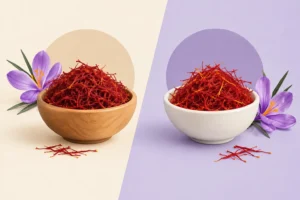
Biryani is a dish of details: aged basmati, carefully browned onions, balanced whole spices, and slow steam. Weak or adulterated saffron has nowhere to hide. Look for predominantly deep red threads, a dry texture, and a clean, distinctive aroma. Avoid threads that look excessively yellow, feel oily, or smell sugary or synthetic.
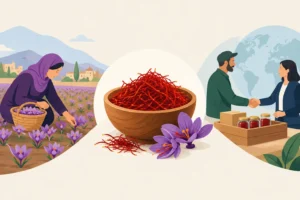
Herat saffron is prized for its color strength and remarkable fragrance. Farmers Saffron works directly with Afghan farming communities to bring handpicked Super Negin Grade A+ threads from Herat to your kitchen. That clear origin matters when a pinch of saffron is expected to carry an entire pot of biryani.
The final drizzle is small, but it changes the whole dish. Take your time with the bloom, scatter it with intention, and let the sealed pot do the rest. When the lid lifts, the golden rice should smell like a meal worth gathering around.